







e




e
Show Tabs
Timeless Wonders
Timeless Nature
Timeless Places
Timeless Pleasures
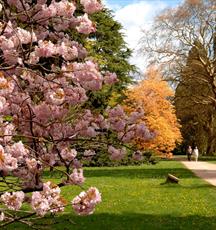
Westonbirt, The National Arboretum managed by Forestry England, is a remarkable place for people to enjoy and learn about trees.
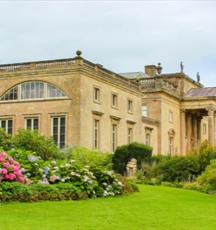
Stourhead estate on the Wiltshire-Somerset border is the perfect day out for everyone. A breath taking 18th century landscape garden with lakeside walks, grottoes and classical temples is only the…
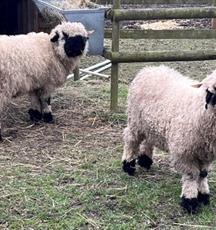
River Bourne Community Farm is open all year and is FREE to enter. Come and see a working farm and get up close to all the animals including: pigs, sheep, alpacas, donkeys, goats, cattle, poultry,…
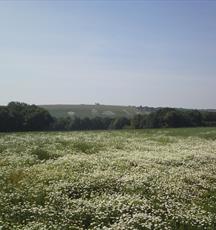
Explore a nationally protected landscape, the 6th largest in the Country and one of the most rural. Escape the hustle and bustle of urban life to wild open spaces, beautiful chalk down land, and…
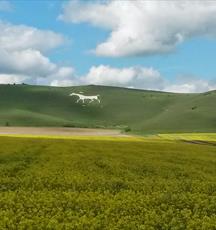
Located in the heart of the North Wessex Downs Area of Outstanding Natural Beauty and between Stonehenge and Avebury, the Vale of Pewsey is ideal for getting off the beaten track and has plenty of…
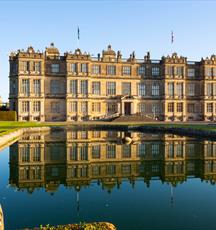
Longleat Safari Park, nestled within 900 acres of ‘Capability’ Brown landscaped grounds, is home to the UK’s original Safari Park, one of the best examples of Elizabethan architecture, and an…
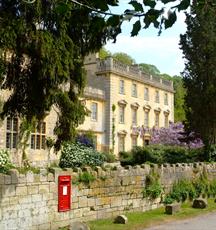
Tucked away at the bottom of a tranquil valley, just 15 minutes from Bath, a visit to the romantic, award-winning, Grade I listed Iford Manor Gardens transports you across the globe, with a range of…
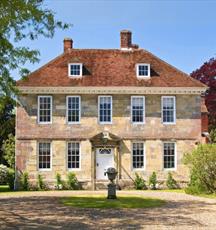
An atmospheric historic house with eclectic collections, beautiful gardens, and a lived-in feel that rewards curiosity and exploration.
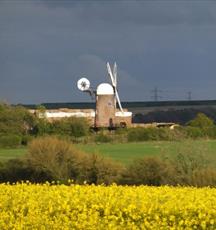
Built in 1821, fully restored as a working windmill. Stoneground flour generally available for sale.
Looking to visit the amazing town of Calne?...If so, click here to get the latest Calne tourist information direct from the official Wiltshire tourism site!
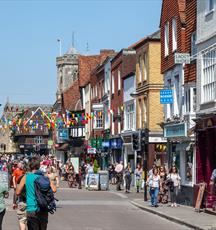
Superbly situated in southern England’s rural heartland, medieval Salisbury is the perfect fusion of ancient and modern.
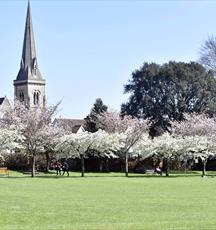
Looking to visit the amazing town of Chippenham?...If so, click here to get the latest Chippenham tourist information direct from the official Wiltshire tourism site!
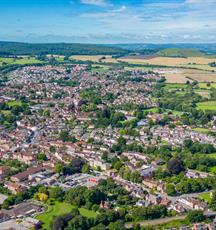
Looking to visit the amazing town of Warminster?...If so, click here to get the latest Warminster tourist information direct from the official Wiltshire tourism site!
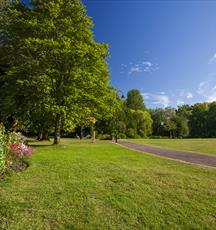
Nestled in the heart of Wiltshire, Trowbridge is a vibrant town that seamlessly blends rich industrial heritage with contemporary charm. Once renowned for its thriving woollen cloth industry, the…
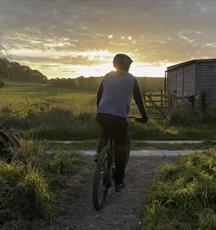
Explore Cranborne Chaser by premium e-bike with guided or self-guided routes, stunning views, quiet lanes and adventures for all fitness levels.
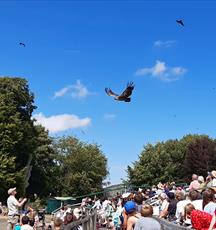
The Hawk Conservancy Trust is a full day out for the whole family. Come see our brilliant birds at some of the most spectacular flying displays in the UK, changing with the seasons so you’ll…
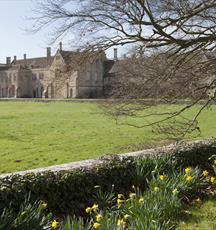
A quirky country house and grounds, built on the foundations of a medieval nunnery, that celebrates the scientific genius of the inventor of the photographic negative.
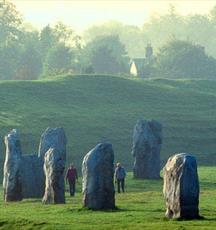
Recognised as a World Heritage Site, Avebury is the site of the largest prehistoric circle of standing stones in the world. This circle encompasses Avebury Henge, a huge bank and ditch surrounding 2…
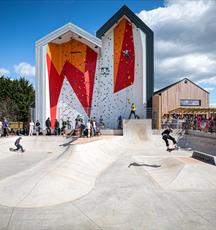
The Arc is a welcoming climbing centre in Chippenham offering bouldering, roped climbing and auto belays. All ages are welcome. The site also features a striking outdoor climbing wall, a free…
Longleat Safari Park, nestled within 900 acres of ‘Capability’ Brown landscaped grounds, is home to the UK’s original Safari Park, one of the best examples of Elizabethan architecture, and an…
Tucked away at the bottom of a tranquil valley, just 15 minutes from Bath, a visit to the romantic, award-winning, Grade I listed Iford Manor Gardens transports you across the globe, with a range of…
Built in 1821, fully restored as a working windmill. Stoneground flour generally available for sale.
An atmospheric historic house with eclectic collections, beautiful gardens, and a lived-in feel that rewards curiosity and exploration.
River Bourne Community Farm is open all year and is FREE to enter. Come and see a working farm and get up close to all the animals including: pigs, sheep, alpacas, donkeys, goats, cattle, poultry,…
Westonbirt, The National Arboretum managed by Forestry England, is a remarkable place for people to enjoy and learn about trees.
Stourhead estate on the Wiltshire-Somerset border is the perfect day out for everyone. A breath taking 18th century landscape garden with lakeside walks, grottoes and classical temples is only the…
Explore a nationally protected landscape, the 6th largest in the Country and one of the most rural. Escape the hustle and bustle of urban life to wild open spaces, beautiful chalk down land, and…
Located in the heart of the North Wessex Downs Area of Outstanding Natural Beauty and between Stonehenge and Avebury, the Vale of Pewsey is ideal for getting off the beaten track and has plenty of…
Looking to visit the amazing town of Calne?...If so, click here to get the latest Calne tourist information direct from the official Wiltshire tourism site!
Looking to visit the amazing town of Warminster?...If so, click here to get the latest Warminster tourist information direct from the official Wiltshire tourism site!
Superbly situated in southern England’s rural heartland, medieval Salisbury is the perfect fusion of ancient and modern.
Nestled in the heart of Wiltshire, Trowbridge is a vibrant town that seamlessly blends rich industrial heritage with contemporary charm. Once renowned for its thriving woollen cloth industry, the…
Looking to visit the amazing town of Chippenham?...If so, click here to get the latest Chippenham tourist information direct from the official Wiltshire tourism site!
Recognised as a World Heritage Site, Avebury is the site of the largest prehistoric circle of standing stones in the world. This circle encompasses Avebury Henge, a huge bank and ditch surrounding 2…
The Hawk Conservancy Trust is a full day out for the whole family. Come see our brilliant birds at some of the most spectacular flying displays in the UK, changing with the seasons so you’ll…
Explore Cranborne Chaser by premium e-bike with guided or self-guided routes, stunning views, quiet lanes and adventures for all fitness levels.
The Arc is a welcoming climbing centre in Chippenham offering bouldering, roped climbing and auto belays. All ages are welcome. The site also features a striking outdoor climbing wall, a free…
A quirky country house and grounds, built on the foundations of a medieval nunnery, that celebrates the scientific genius of the inventor of the photographic negative.
e


As we welcome warmer weather, it’s time to make the most of great days out in Wiltshire this June!
e

f
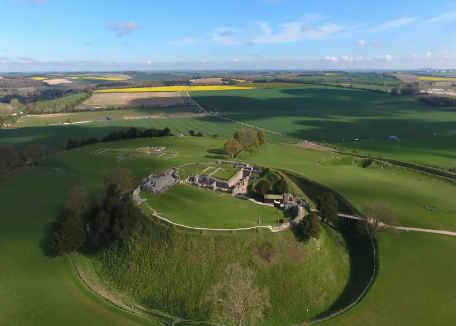

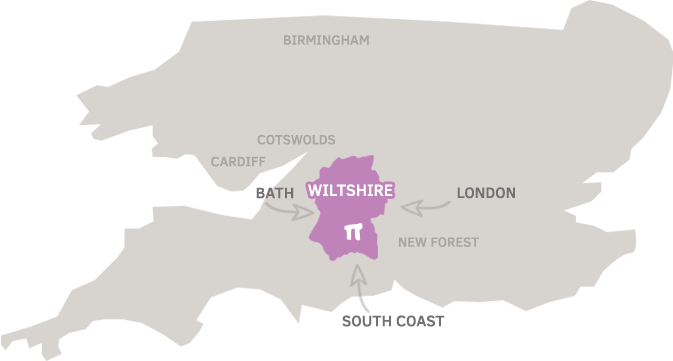
The new Dynamic Map functionality gives you the option to combine different product categories in a search and display on the map e.g. accommodation, attractions, activities, food and drink etc. Click on the map to see more.
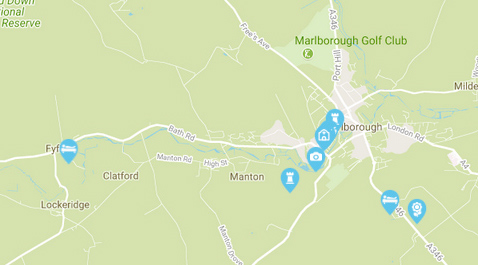
The Great Bustard offers an exceptional hospitality experience with ten boutique hotel style…
Elegantly furnished with white linens and country house furnishings, the South Wing offers…
Milford Hall Hotel is a highly rated 4-star hotel in Salisbury. The hotel is situated only 5…

Reviews and advice on hotels, and lots more!
The Official Local Visitor Economy Partnership for Wiltshire. 2026.


Activities in Wiltshire
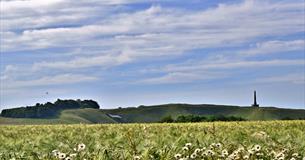
Bed & Breakfasts in Wiltshire

What's on this week in Wiltshire
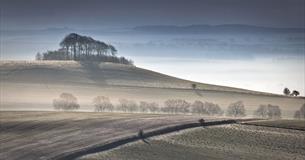
Discover, Share and Enjoy a range of Winter moments across Wiltshire this year!
Welcome to the Itinerary Planner. Use this tool to build your own journey or choose from an exciting range of specially selected tours.
To build your own Itinerary, click  to add an item to your Itinerary basket.

.png)
.png)


Follow Us
#timeforwiltshire