





Welcome to Salisbury
Salisbury. Traditional. Original.
A Cathedral city of ageless beauty and captivating history, Salisbury has been welcoming travellers since 1227.
At the city’s heart is Salisbury Cathedral, a beacon that has attracted visitors for centuries. Gathered around the Cathedral is a modern medieval city, full of buildings crafted with the care of another age. Here history is brought to life by modern and original events, culture and activities.
Traditionally English with an independent spirit, the city’s living heritage and lively culture rewards repeated visits. It is a creative and independent hub which has captivated visitors and inspired innovation for hundreds of years.
Salisbury, welcoming visitors since 1227. Become part of our story.
Things to do in Salisbury
Every visit to Salisbury is an opportunity to discover fascinating history, experience cutting-edge events and help to shape new, original and surpising traditions. At Salisbury Cathedral you will find the best preserved of the four original Magna Carta manuscripts dating from 1215AD. Nearby, the famous Cathedral Close houses attractions like Arundells, Mompesson House, The Rifles Military Museum and Salisbury Museum. Elsewhere in the city, some of England’s finest historic houses and heritage buildings are brought to life with arts, culture, events and entertainment.
Shopping in Salisbury
Our historic streets are home to all your favourite stores, as well as independent retailers offering unusual items you won’t find on every high street. Here in Salisbury, the curious traveller will find quirky, independent shops offering products designed and crafted locally. On Tuesdays and Saturdays (except the third Tuesday in October) the hustle and bustle of the historic Charter Market fills the Market Place and a whole array of other interesting markets take place throughout the year.
Salisbury food and drink
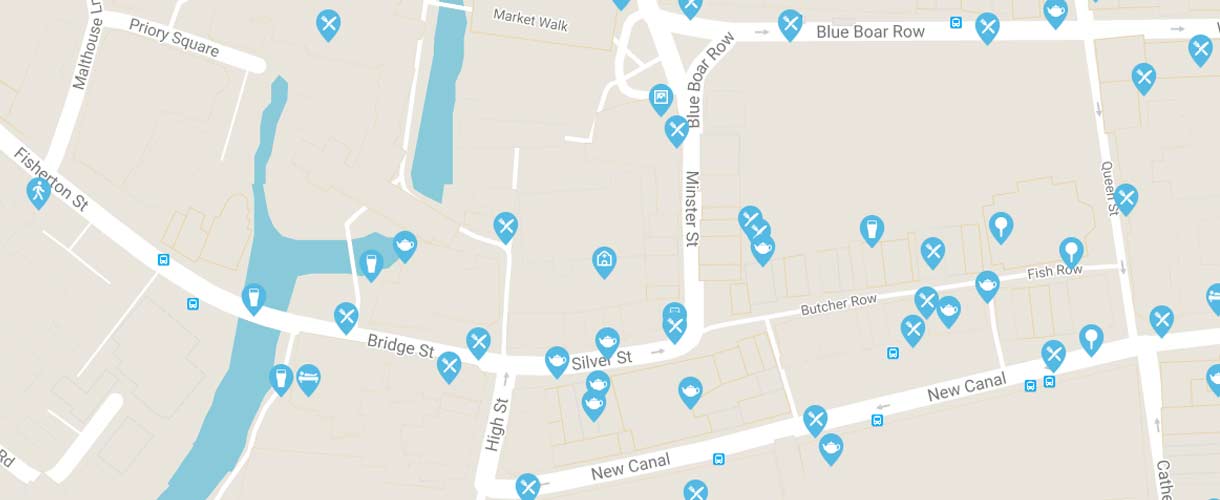
Eating out in Salisbury is a pleasure thanks to an enticing range of tea and coffee shops, pubs and restaurants, clubs and bars, with plenty on offer throughout the day and on into the early hours.
The City in the Countryside
Salisbury is also a base to discover the surrounding countryside, a landscape so quintessentially English it’s almost too good to be true. Nearby you will find Areas of Outstanding Natural Beauty, National Parks and World Heritage Sites. Discover neolithic monuments, quaint country pubs and beautiful countryside.












 to add an item to your Itinerary basket.
Share your Salisbury
#timeforwiltshire